The Best Sheets for Hot Sleepers (And How to Keep Them Fresh)
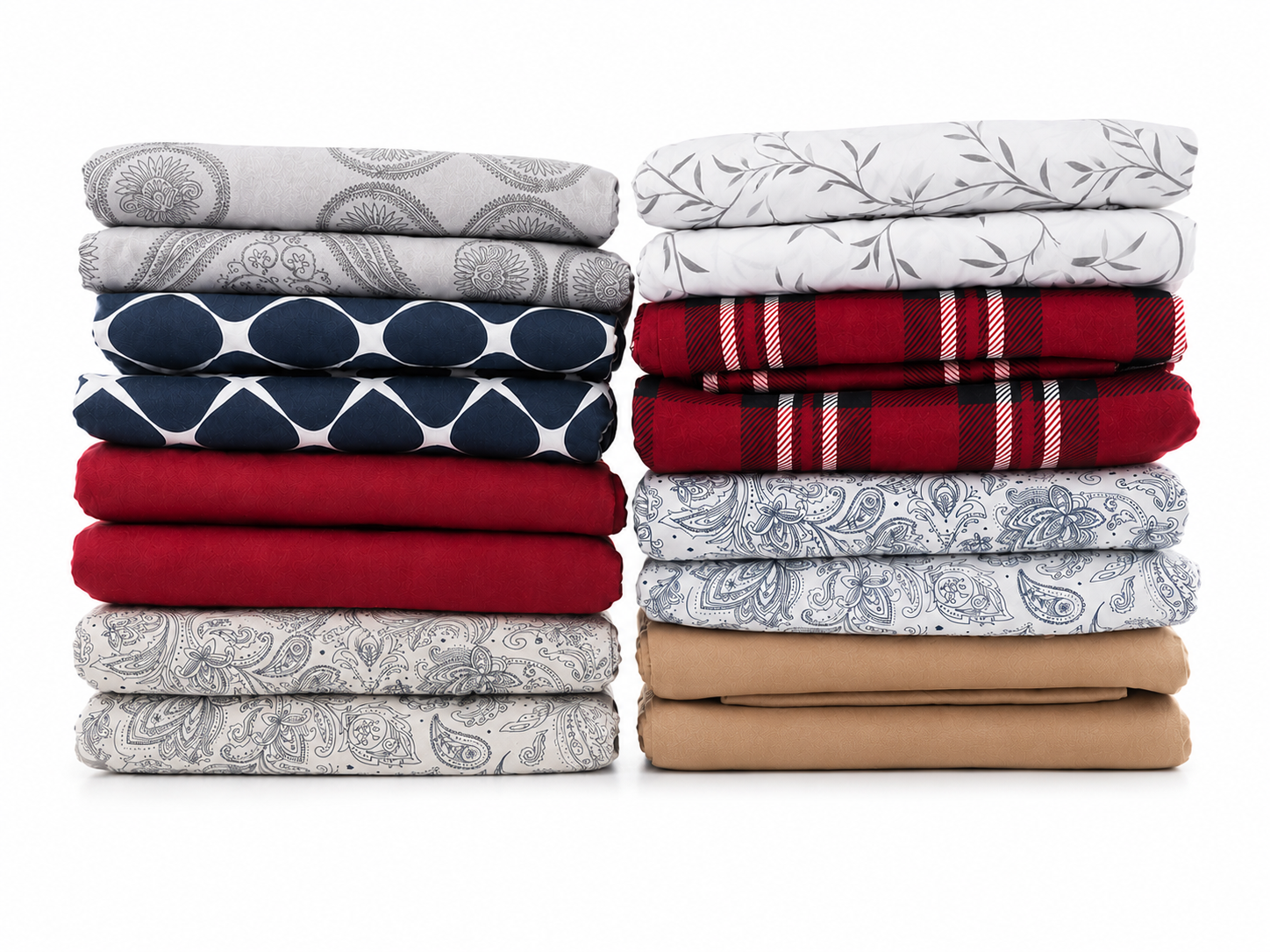
If you sleep hot, you already know. You know because you wake up at 2am with the covers kicked off and a vague sense of betrayal. You know because you've tried every pillow configuration and mattress topper and cooling gel insert and none of them have fully solved the problem. You know because "sleeping hot" isn't just a preference — it's a nightly battle with your own body temperature that affects how rested you feel and how functional you are the next day.
Sheets are a significant part of this equation. The wrong sheets make the problem dramatically worse. The right sheets won't cure it entirely, but they'll make a meaningful difference — enough that the choice is worth understanding properly.
Why Some People Sleep Hot
First, a brief explanation of what's actually happening. Body temperature naturally drops during sleep as part of the circadian rhythm — this drop is actually what triggers and maintains sleep. But some people generate significantly more heat than others, or have more difficulty with the temperature regulation process, and the result is overheating during the night.
Factors that contribute include metabolism, hormones, certain medications, alcohol consumption, and the sleep environment itself — room temperature, mattress materials, and yes, sheets. You can't control your metabolism, but you can control your sheets.
What Makes a Sheet Hot or Cool
The primary factors that determine how a sheet performs thermally are fiber type, weave, and weight. Understanding these three things will tell you almost everything you need to know about whether a sheet will make you comfortable or miserable.
Fiber type is the most important factor. Natural fibers — cotton, linen, bamboo — are generally more breathable than synthetic fibers like polyester and microfiber. Synthetics trap heat and moisture against the body in a way that natural fibers don't, which is why microfiber sheets that feel soft in the store can feel suffocating by 3am.
Within natural fibers, there are meaningful differences. Linen is the most breathable option available — it's moisture-wicking, gets cooler with washing, and has a natural texture that minimizes contact with the skin. Bamboo is similarly breathable and has natural moisture-wicking properties that make it popular with hot sleepers. Cotton varies significantly depending on the type and weave.
Weave type matters almost as much as fiber. Percale cotton — a simple one-over-one-under weave — is crisp, cool, and breathable. It's the weave used in most hotel sheets and the choice of most people who sleep warm. Sateen cotton uses a different weave that produces a silkier, heavier fabric with less airflow. It feels luxurious but traps more heat. If you sleep hot and you're sleeping on sateen sheets, switching to percale alone may solve a significant portion of your problem.
Weight is the third factor. Lighter sheets breathe better than heavier ones. High thread count sheets — as we discussed in a previous post — tend to be heavier and less breathable than lower thread count sheets in the same fiber. A 300 thread count percale in long-staple cotton will keep most hot sleepers cooler than a 600 thread count sateen in the same fiber.
The Best Options for Hot Sleepers
Based on those factors, here's what actually works for people who sleep hot:
Percale cotton in long-staple fiber is the gold standard for most hot sleepers. Egyptian cotton or Pima cotton in a percale weave gives you breathability, durability, and the crisp finish that gets better with washing. It's not the cheapest option, but it's the one that performs consistently well over time.
Linen sheets are the choice for people who sleep very hot or live in warm climates. They feel different from cotton — slightly textured, less smooth — and they wrinkle easily, which bothers some people and doesn't bother others at all. But thermally, they outperform almost everything else. If overheating is a serious problem for you, linen is worth trying.
Bamboo sheets have become increasingly popular and for good reason. They're soft, breathable, moisture-wicking, and temperature-regulating in a way that works well for hot sleepers. Quality varies significantly between brands, so it's worth researching specific products rather than assuming all bamboo sheets perform the same way.
What to Avoid if you sleep hot: microfiber, polyester blends, sateen weaves, and high thread count sheets marketed primarily on the basis of their thread count number. These are not your friends.
Keeping Your Sheets Fresh When You Sleep Hot
Hot sleepers have an additional challenge beyond just staying cool: they tend to sweat more during the night, which means their sheets accumulate body oils, moisture, and bacteria faster than average. This affects both how the sheets smell and how long they last.
A few practices that make a meaningful difference:
Wash more frequently. The standard recommendation is every one to two weeks, but hot sleepers who sweat significantly may need to wash weekly. Sheets that absorb a lot of moisture and body heat and then sit for two weeks are going to develop odors and bacteria buildup faster than sheets used by someone who sleeps cooler.
Use the right detergent. Enzyme-based detergents are particularly effective at breaking down the proteins in sweat and body oils that regular detergents can struggle with. If your sheets are developing a persistent smell despite regular washing, switching detergents may help more than washing more frequently.
Let them breathe. Don't make your bed immediately upon waking. Pull the covers back and let the sheets air out for at least fifteen to twenty minutes before making the bed. This allows moisture to evaporate rather than being sealed in by the duvet, which reduces bacterial growth and keeps sheets fresher between washes.
Store them properly. Sheets that are stored in a cool, dry, well-ventilated space between uses stay fresher than sheets stored in a damp or airtight environment. Proper folding — tight, neat, with minimal exposed surface area — also helps by reducing the amount of airborne particles that settle into the fabric between uses.
The Folding Factor
Here's something that doesn't get discussed enough in the context of hot sleeping: how your sheets are stored affects how they feel when you get into bed. Sheets that are neatly folded and stored properly retain their finish and feel fresher against your skin. Sheets that have been stuffed in a pile pick up dust and odors that you then notice as soon as you get into bed — which is particularly unpleasant when you're already fighting to stay cool.
At The Sheet Spot, we fold your sheets to a precise, professional standard regardless of fiber or weave. Linen, percale, bamboo — whatever you're sleeping on, it comes back folded properly and ready to go straight onto the shelf. Clean sheets, folded well, stored right. It's the last piece of the hot sleeper puzzle that most people overlook entirely.


Comments